Packing for a safari requires a balance between comfort, practicality, and preparedness for various weather conditions. Here’s a comprehensive list of what to take on safari:
Clothing
Lightweight, Neutral-Colored Clothing:
- Tops: Long-sleeved shirts and T-shirts for sun protection and layering.
- Bottoms: Lightweight trousers and shorts.
- Jacket: A warm jacket for cooler mornings and evenings.
- Fleece or Sweater: For added warmth.
- Rain Jacket: Waterproof and breathable for unexpected rain showers.
Footwear:
- Hiking Boots or Sturdy Walking Shoes: Comfortable for walking safaris and general wear.
- Sandals or Flip-Flops: For use around the camp or lodge.
Accessories:
- Hat: Wide-brimmed for sun protection.
- Sunglasses: Polarized to reduce glare.
- Buff or Scarf: To protect against dust and sun.
- Gloves and Warm Hat: For early morning and evening game drives during cooler months.
Personal Items
Daypack: For carrying essentials during game drives and walks.
Water Bottle: Reusable and refillable.
Camera and Binoculars: Essential for capturing wildlife and landscapes.
Chargers and Extra Batteries: For electronics and cameras.
Flashlight or Headlamp: Useful around the camp at night.
Health and Hygiene
Medications: Any personal prescription medications, plus a small first aid kit with essentials like pain relievers, antiseptics, and band-aids.
Insect Repellent: To protect against mosquitoes and other insects.
Sunscreen: High SPF, broad-spectrum.
Lip Balm: With SPF protection.
Hand Sanitizer: For quick sanitation.
Toiletries: Toothbrush, toothpaste, deodorant, shampoo, conditioner, soap, etc.
Wet Wipes: Handy for quick cleanups.
Documents and Money
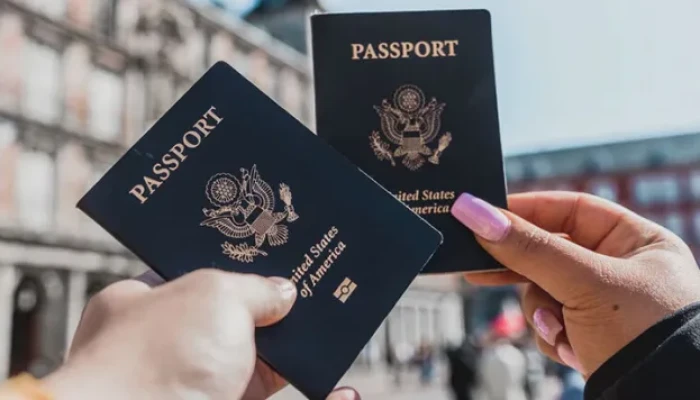
Passport and Visas: Ensure they are valid and check visa requirements for the countries you are visiting.
Travel Insurance: Comprehensive coverage for health, travel delays, and cancellations.
Vaccination Certificates: If required (e.g., yellow fever).
Credit Cards and Cash: Small denominations in USD or local currency for tips and purchases.
Miscellaneous
Guidebooks and Maps: For reference and planning.
Travel Journal and Pen: To document your experiences.
Ziplock Bags: For protecting electronics and documents from dust and moisture.
Snacks: High-energy snacks like nuts, granola bars, and dried fruit.
Packing Tips
Layering: Dress in layers to adapt to changing temperatures throughout the day.
Neutral Colors: Stick to khaki, green, and brown to blend in with the environment and avoid attracting insects.
Avoid Bright Colors and Patterns: These can scare away wildlife or attract unwanted attention from insects.
Lightweight and Quick-Drying Fabrics: Ideal for comfort and ease of washing.
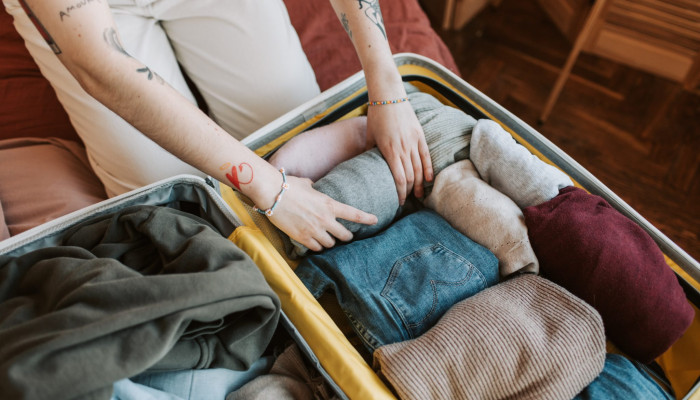
Compact and Minimalist: Safari vehicles often have limited space, so pack only what you need and keep it light.
By packing thoughtfully and efficiently, you can ensure a comfortable and enjoyable safari experience while being prepared for various conditions and activities.